What goes into a durable, well-drained riding surface, and what most property owners get wrong.
Building a horse riding arena requires more than just leveling ground and adding footing. The long-term performance of a riding ring depends on proper grading, drainage, and base preparation. Without these elements, arenas can quickly develop uneven surfaces, drainage issues, and costly maintenance problems.
At Sullivan Agriculture & Land Services, we work with horse property owners across Maryland to build arenas that are designed for durability, safety, and consistent performance.
Choosing the Right Location
The location of your arena plays a major role in how well it performs over time. Factors like natural slope, soil conditions, and water flow all impact drainage and usability.
We help property owners evaluate their land to determine the best placement for a riding arena, ensuring water moves away from the surface and the area remains stable year-round.
Excavation & Base Preparation
One of the most important steps in building a riding arena is preparing a solid base. This involves removing topsoil, grading the area, and compacting the subgrade to create a stable foundation.
The base is what determines whether an arena lasts for years or begins to fail shortly after installation. Proper preparation at this stage prevents shifting, uneven surfaces, and drainage problems later on.
Drainage & Water Management
Drainage is the most critical factor in any horse arena. Without proper water management, even a well-built arena can quickly become unusable.
We design grading and drainage systems that control water flow and prevent pooling. By directing runoff away from the arena and stabilizing the surrounding ground, we ensure the surface remains consistent and functional in all conditions.
Stone Base & Layering
After the base is prepared, we install and compact a stone layer to provide structure and support. This layer helps distribute weight evenly and keeps the surface stable under regular use.
Proper compaction and leveling are key to maintaining a smooth, even riding surface over time.

Footing Options
The top layer of an arena is just as important as what’s underneath. Common footing options include sand, sand blends, and specialty materials designed to improve traction and reduce dust.
The right footing depends on how the arena will be used, and we help property owners choose the best option for their needs.
Final Thoughts
A properly built horse arena provides a safe, consistent riding surface and adds long-term value to a property. Investing in the right preparation, grading, and drainage from the start prevents costly issues down the road.
Planning a Horse Arena Project?
If you’re considering building or improving a riding arena on your property, we can help design and construct a solution tailored to your land.
Challenges & Considerations
Each arena has unique conditions that must be addressed during installation. For this project, key challenges included:
By carefully managing these factors, we delivered a high-quality result tailored to the property’s needs.

The Result: A Safer, Cleaner, High-Performance horse training ring
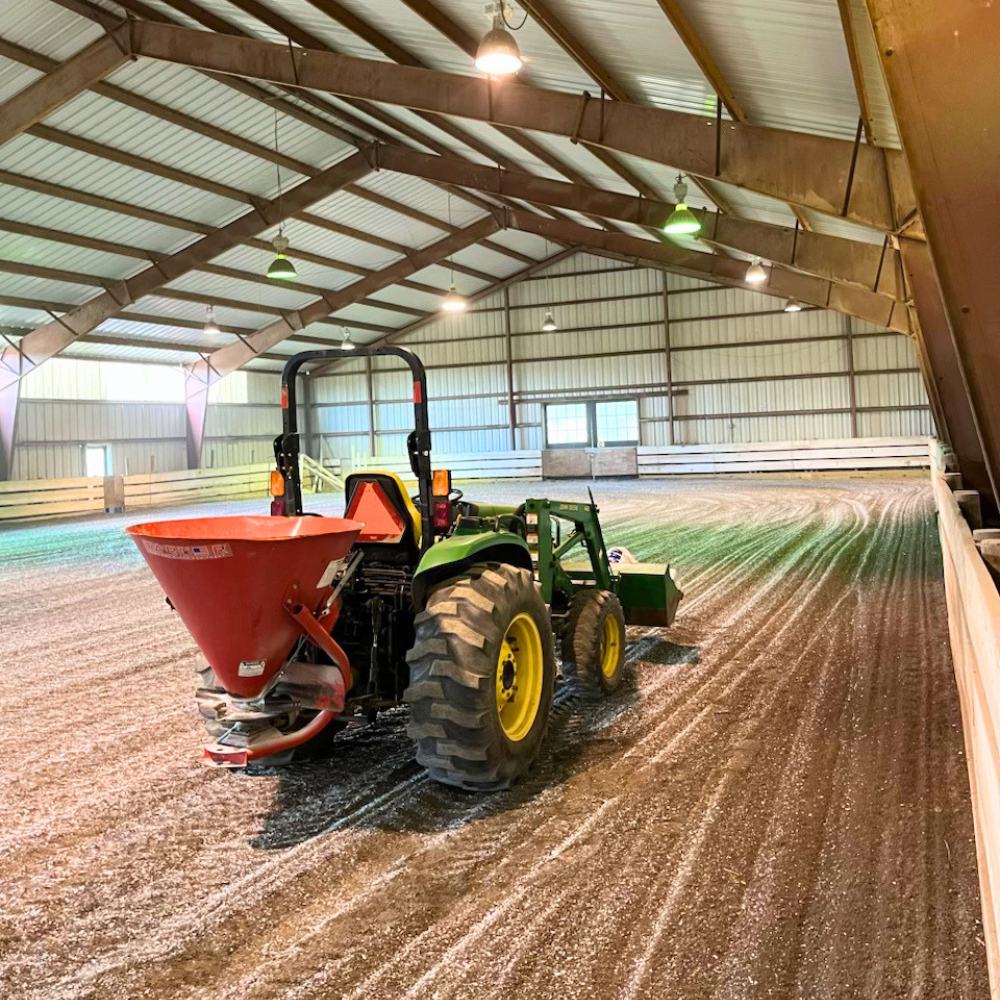
The completed arena now provides a smooth, level surface with significantly reduced dust and improved overall performance.
Key outcomes include:
Better traction and riding control
Equestrian & Farm Services in Butler, MD
At Sullivan Agriculture & Land Services, we specialize in horse arena preparation, grading, dust control solutions, and full equestrian property development across Butler and surrounding Maryland areas.
Whether you’re improving an existing arena or building a new one, we deliver durable, high-performance results tailored to your property.
Get a Quote for Your Arena or Land Project
If your looking to add a horse ring or looking to upgrade your arena needs regrading, dust control, or new footing, we’re here to help.